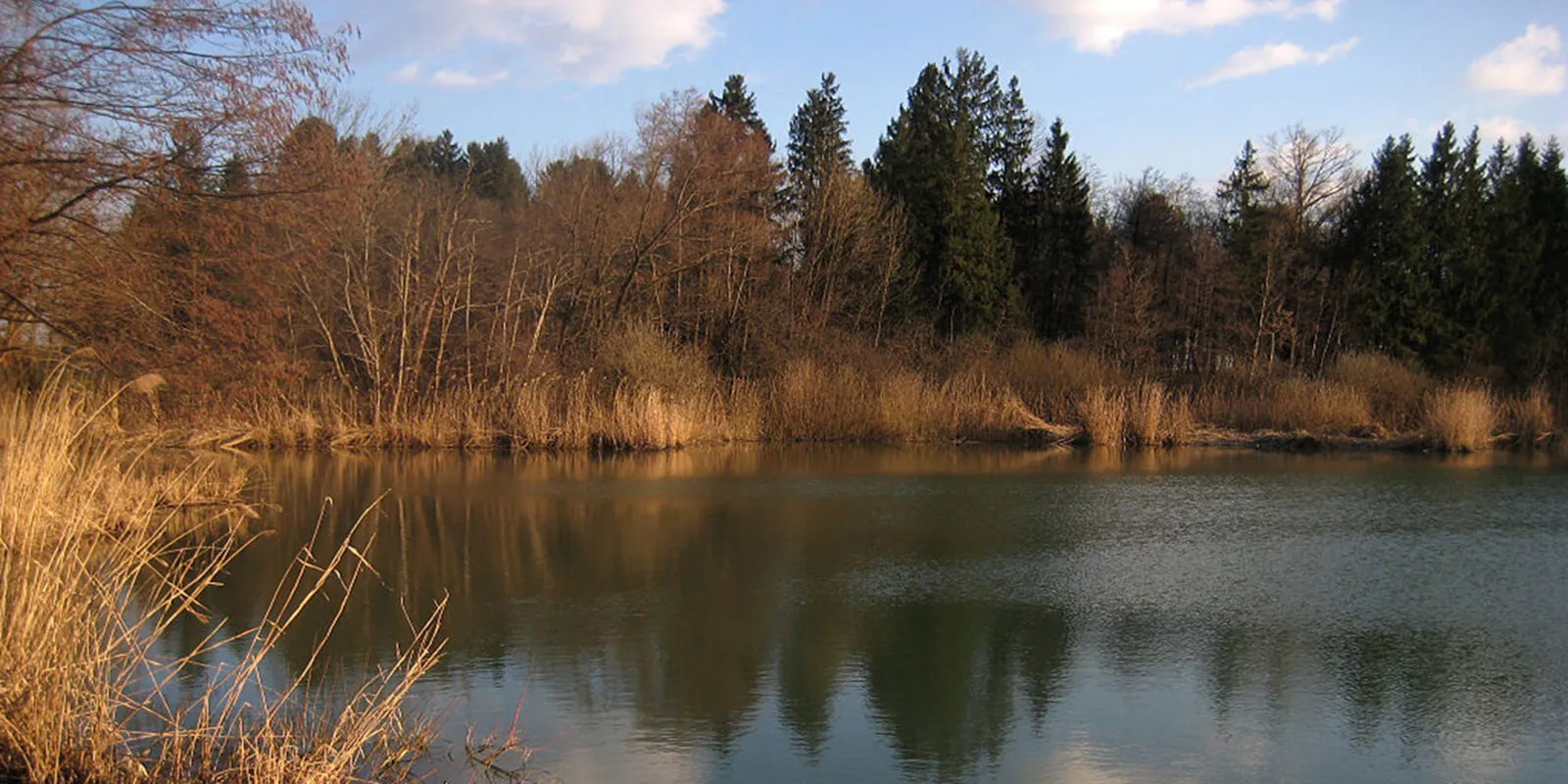
Photo from the web
Bobovek
The excavation of clay, which was exploited by the Bobovek brickworks, began in 1905. Its owner was Zabret, a local known also as Čuk (Little Owl) and therefore, the cave that was at that time formed by the excavation of clay is still called Čukova jama (Little Owl cave). After the Second World War, another cave was excavated that acquired an interesting name Krokodilnica, although there were never any crocodiles in the area. Children used to slide down these slopes and because they had green pants, they were told that they were green like crocodiles; hence the name Krokodilnica. Ledvička (Kidney) got its name from its shape. Several years after the war, the brickworks was nationalized, whereas it ceased to function in 1971.
Sample 15 is clay from Bobovek (Upper Carniola). The recommended firing temperature is 900–1150 °C. The beginning of sintering is at 1150–1200 °C. At 1200 °C shrinkage is 17 % and porosity 1 %.
Clay samples
 800 °C
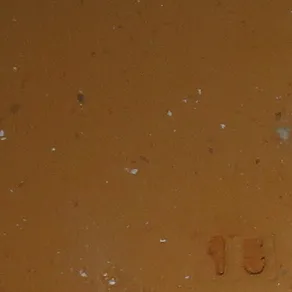 900 °C
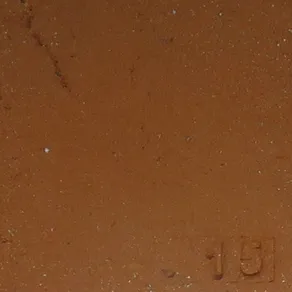 1000 °C
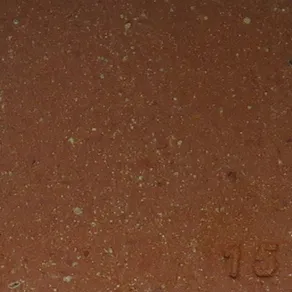 1100 °C
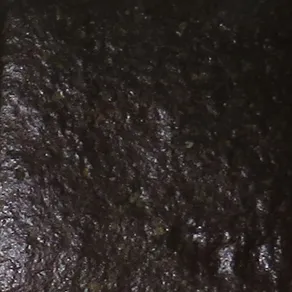 1200 °C
- segrevanje
heating up - priporočena temp. žganja
recommended firing temperatures - začetek sintranja
the beginning of sintering - mehčanje
softening
Clay preparation for testing
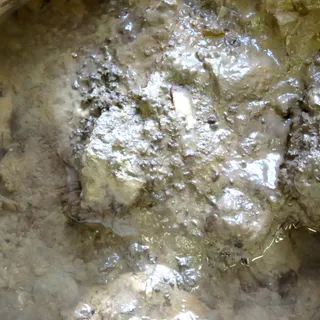 unprocessed clay
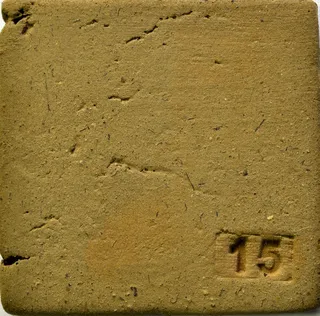 sifted and dried clay
- grain size in mm
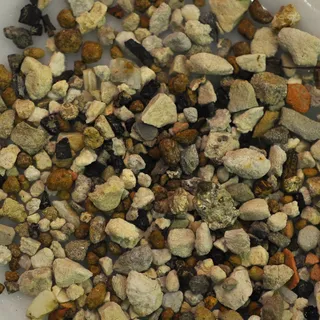 1.8 % = 1.0 mm
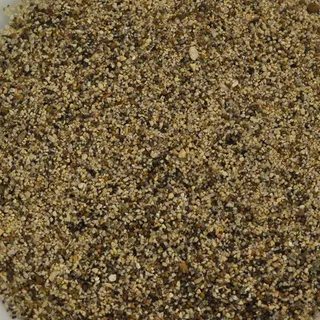 1 % = 0.2 mm
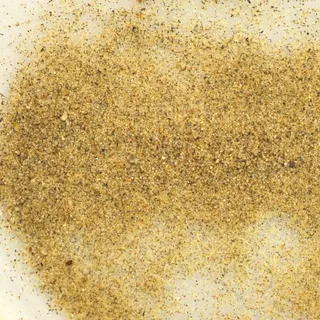 0.1 % = 0.05 mm