Photo Ana Ida
Češnjevek
The Erasmus for Young Entrepreneur programme financially supported my desire to explore ceramics. I spent the summer of 2016 in Cyprus, which is not just an oasis of financial speculation, but also a real treasure trove of beautiful ancient ceramics. Under the mentorship of the potter Andreas Fasoulides, I searched for areas rich in clay, learned how to make copies of ceramics from the Bronze Age and built an improvised wood-fired kiln. When the tongues of fire surrounded pottery early in the evening, a real feast started. Andreas's family grilled fish, we drank wine and nibbled fruit. A potter’s life is hard!
Sample 16 is clay from Češnjevek (Upper Carniola). The recommended firing temperature is 900–1050 °C. The beginning of sintering is at 1050–1200 °C. At 1100 °C shrinkage is 12 % and porosity 3 %.
Clay samples
 800 °C
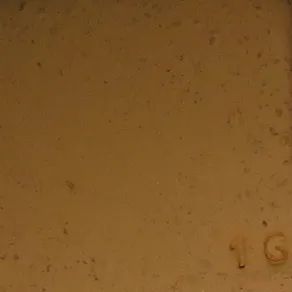 900 °C
 1000 °C
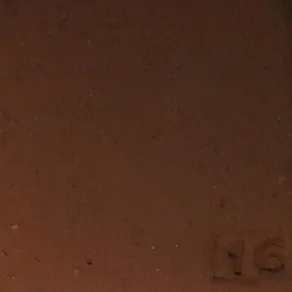 1100 °C
 1200 °C
 1300 °C
- segrevanje
heating up - priporočena temp. žganja
recommended firing temperatures - začetek sintranja
the beginning of sintering - mehčanje
softening
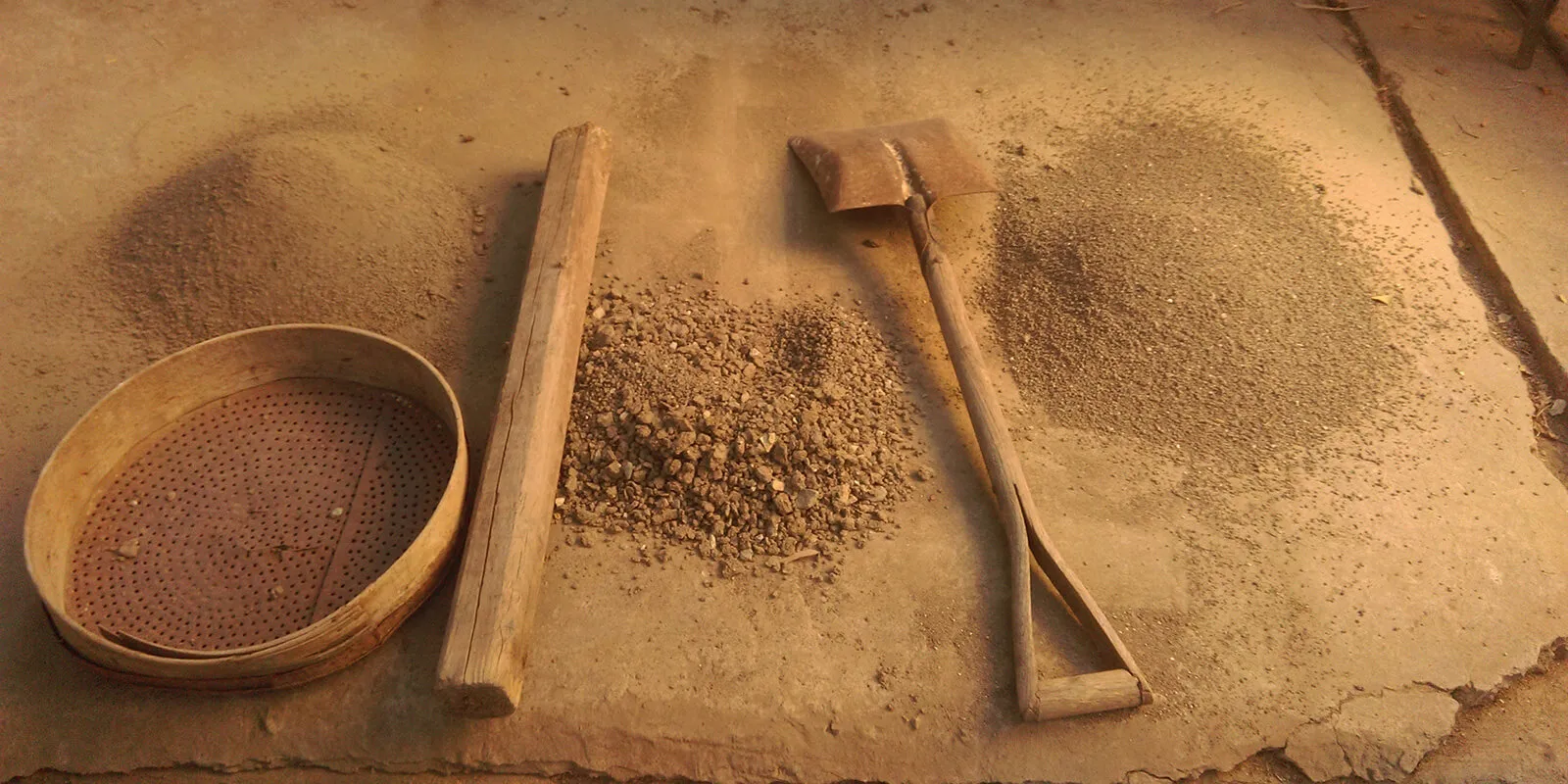
Clay preparation for testing
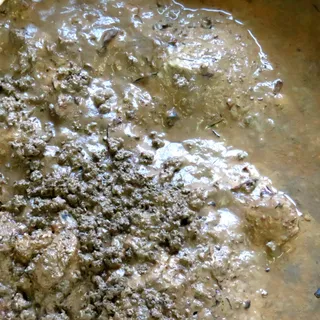 unprocessed clay
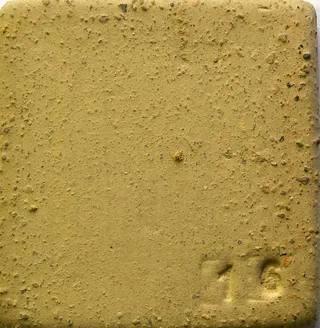 sifted and dried clay
- grain size in mm
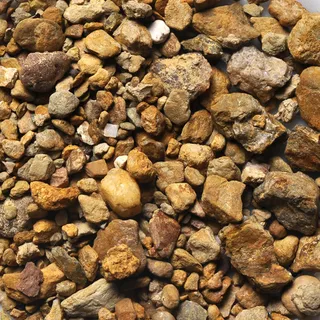 2.7 % = 1.0 mm
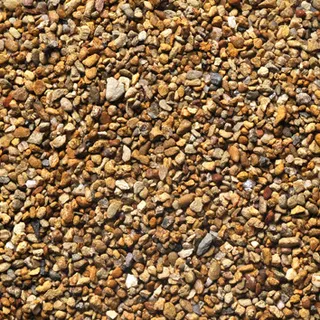 0.3 % = 0.2 mm
 0.1 % = 0.05 mm