Photo Deja Hauptman
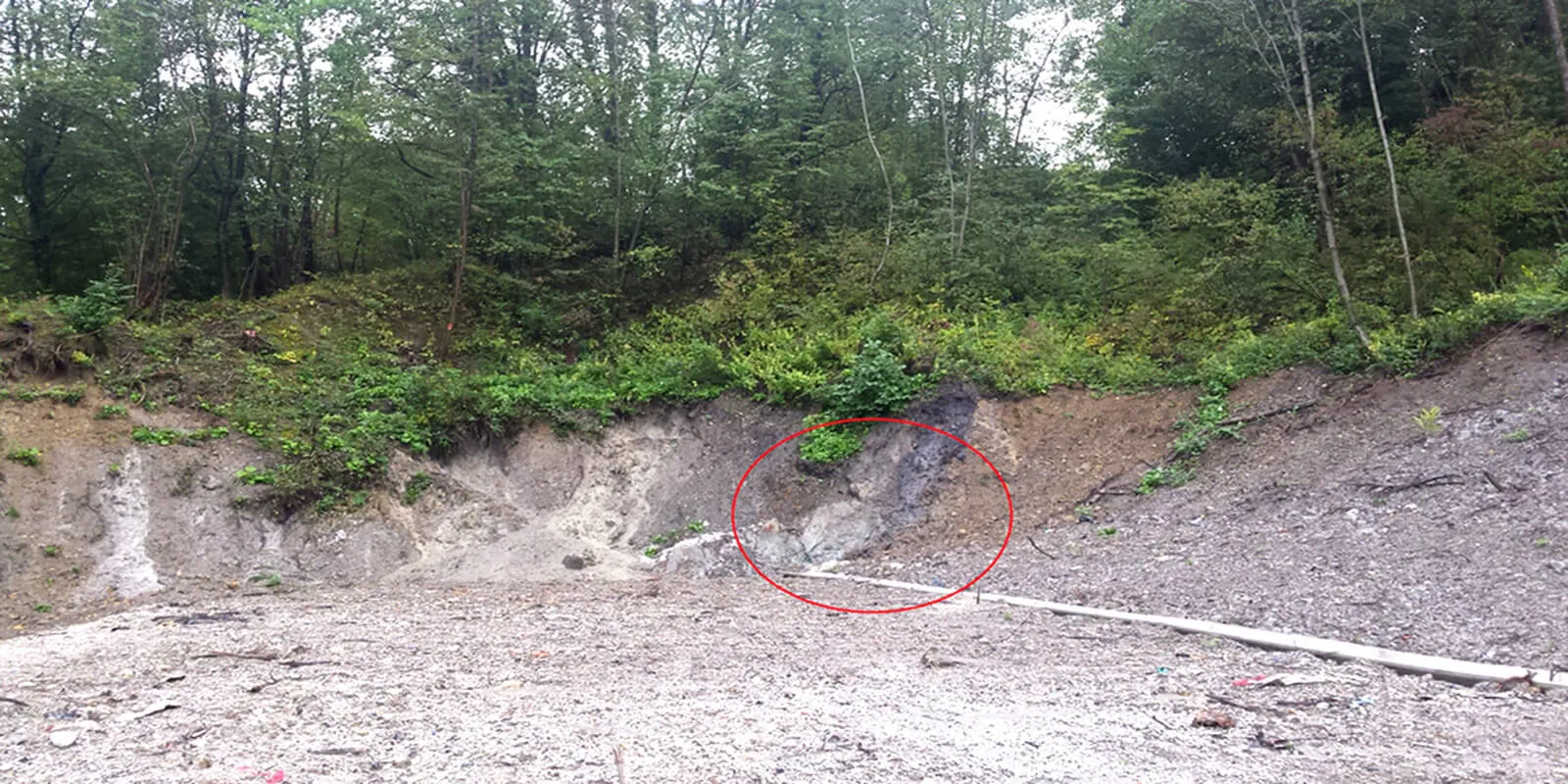
Mining clay
I mined the clay in Trbovlje, in the former Hauck clay pit. At the beginning of the 20th century, Josip Hauck moved from a Hungarian city to Trbovlje. In addition to numerous other activities in this city, he opened a quarry or clay pit in the area of Ostri vrh and Vasle for the extraction of marl and clay for the cement plant in Trbovlje. The raw material was transported by cableways in iron containers tied to a towed wire rope. Smaller and larger lenses of good-grade coal were found in this clay pit. Officially, the Vasle or Hauck clay pit was closed in 1958. The extraction and transport of clay for the needs of the mining brickworks were too expensive and the brickworks diverted to another location for clay-digging. Once the clay pit was officially closed or the clay and marl extraction was stopped, individuals mined many tons of coal for their own needs.
Sample 48 is clay from Trbovlje (Central Sava Valley). The recommended firing temperature is 900–1050 °C. The beginning of sintering is at 1050–1200 °C. At 1100 °C shrinkage is 7 % and porosity 3 %.
Clay samples
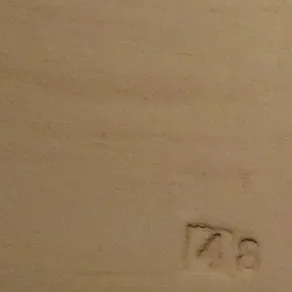 800 °C
 900 °C
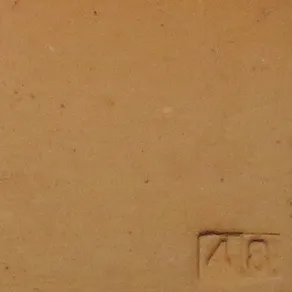 1000 °C
 1100 °C
 1200 °C
- segrevanje
heating up - priporočena temp. žganja
recommended firing temperatures - začetek sintranja
the beginning of sintering - mehčanje
softening
Clay preparation for testing
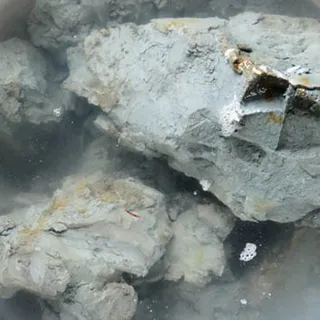 unprocessed clay
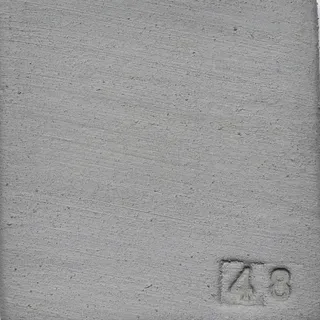 sifted and dried clay
- grain size in mm
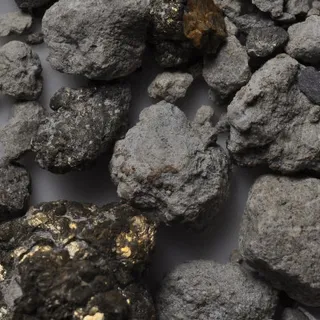 2.1 % = 1.0 mm
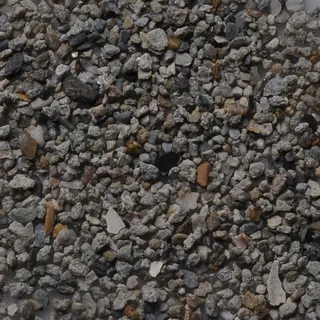 0.2 % = 0.2 mm
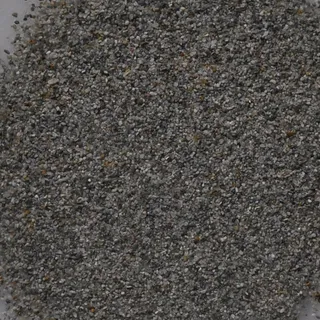 0.1 % = 0.05 mm