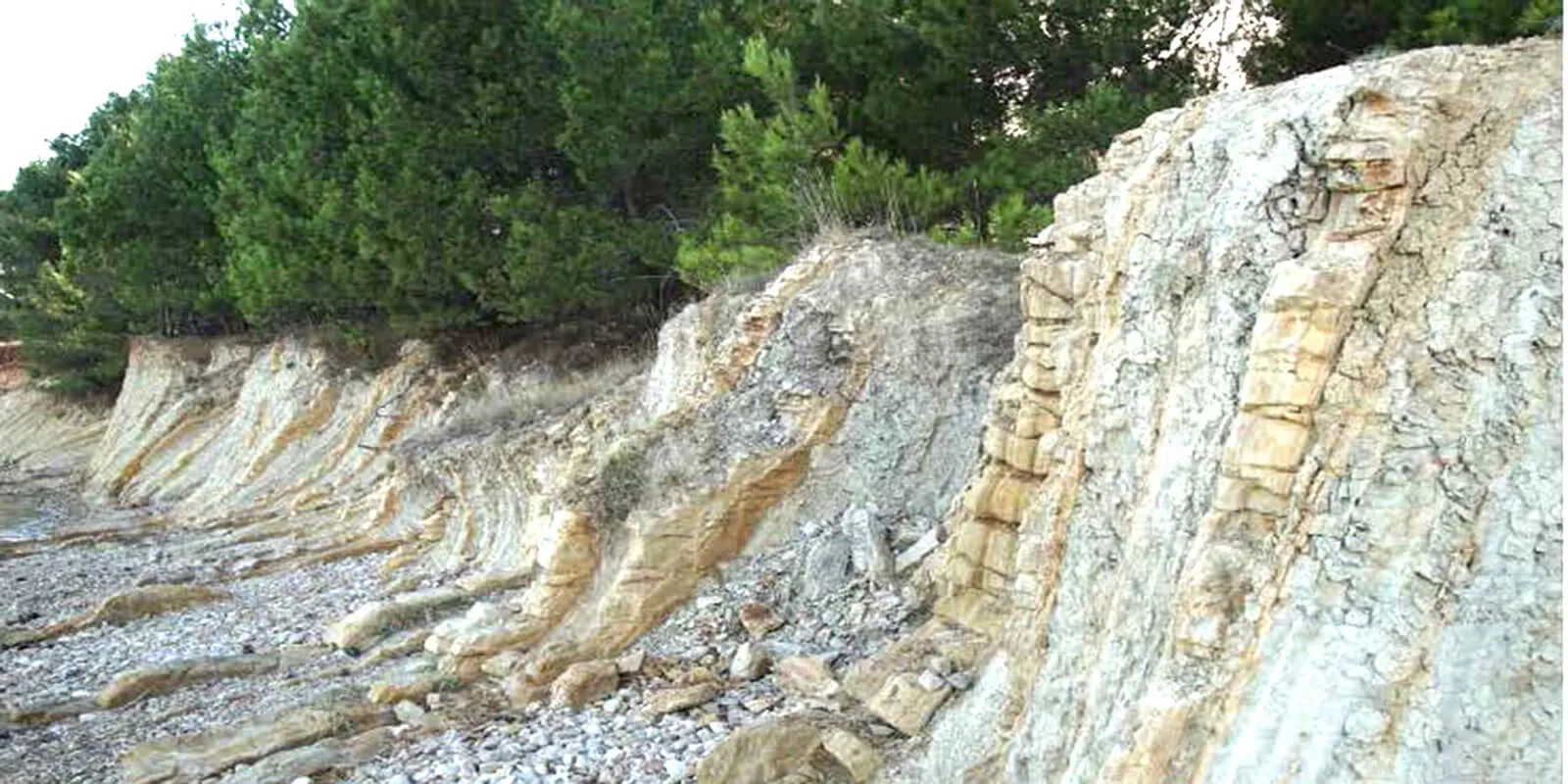
Photo Živa Slavec
Vir
Up to 5 meters high cliffs consist of vertically arranged layers of alternating white and red colour, as well as of soft, putrid, plastic consistency.
Mud? Iron oxides? Clay? Feldspar? Chalk? Carbonates?
In the description from a tourist material, I encountered the term peloid mud.
The term peloid mud stands for "healing", "therapeutic" mud, or "clay", which is widely used in cosmetics and for therapeutic purposes. In the short term, it should improve the purity, moisture, and flexibility of the skin. Medicines, or at least favourably, should affect a range of conditions and illnesses such as osteoarthritis, gynaecological, dermatological and rheumatic diseases ...
I was particularly interested in the geological definition.
Peloid mud is commonly found on marshes near the seas and lakes.
Peloid mud consists of humus (this is often a peaty and marshy soil or silt) and mineral part.
The mineral part of the peloid mud consists of carbonate particles. It is often a mixture of large particles in the form of fossils and finely ground calcite. In this case, the iron is present in some of the layers - probably in the carbonate form.
Sample 24 is clay from Vir (Croatia). The recommended firing temperature is 900–1250 °C. The beginning of sintering is at 1250–1300 °C. At 1300 °C shrinkage is 9 % and porosity 0 %.
- segrevanje
heating up - priporočena temp. žganja
recommended firing temperatures - začetek sintranja
the beginning of sintering
Clay preparation for testing
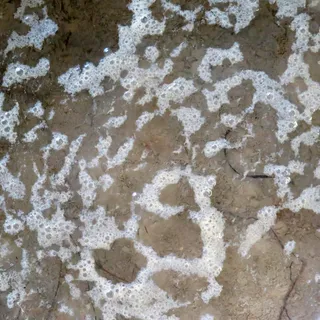 unprocessed clay
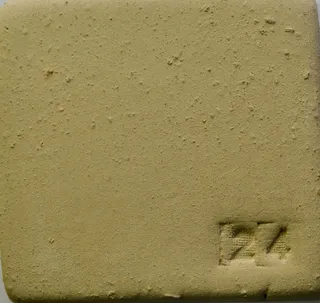 sifted and dried clay
- grain size in mm
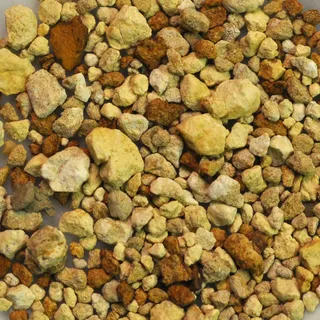 2.5 % = 1.0 mm
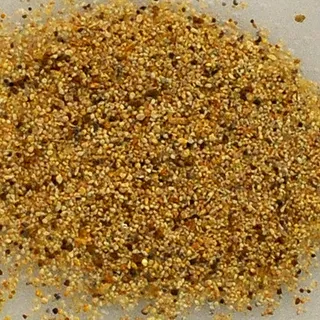 0.8 % = 0.2 mm
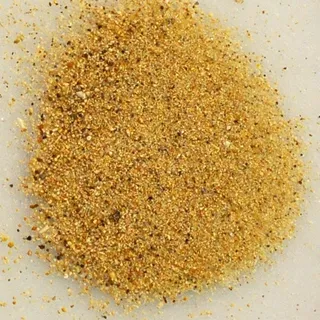 0.3 % = 0.05 mm