Photo Živa Slavec
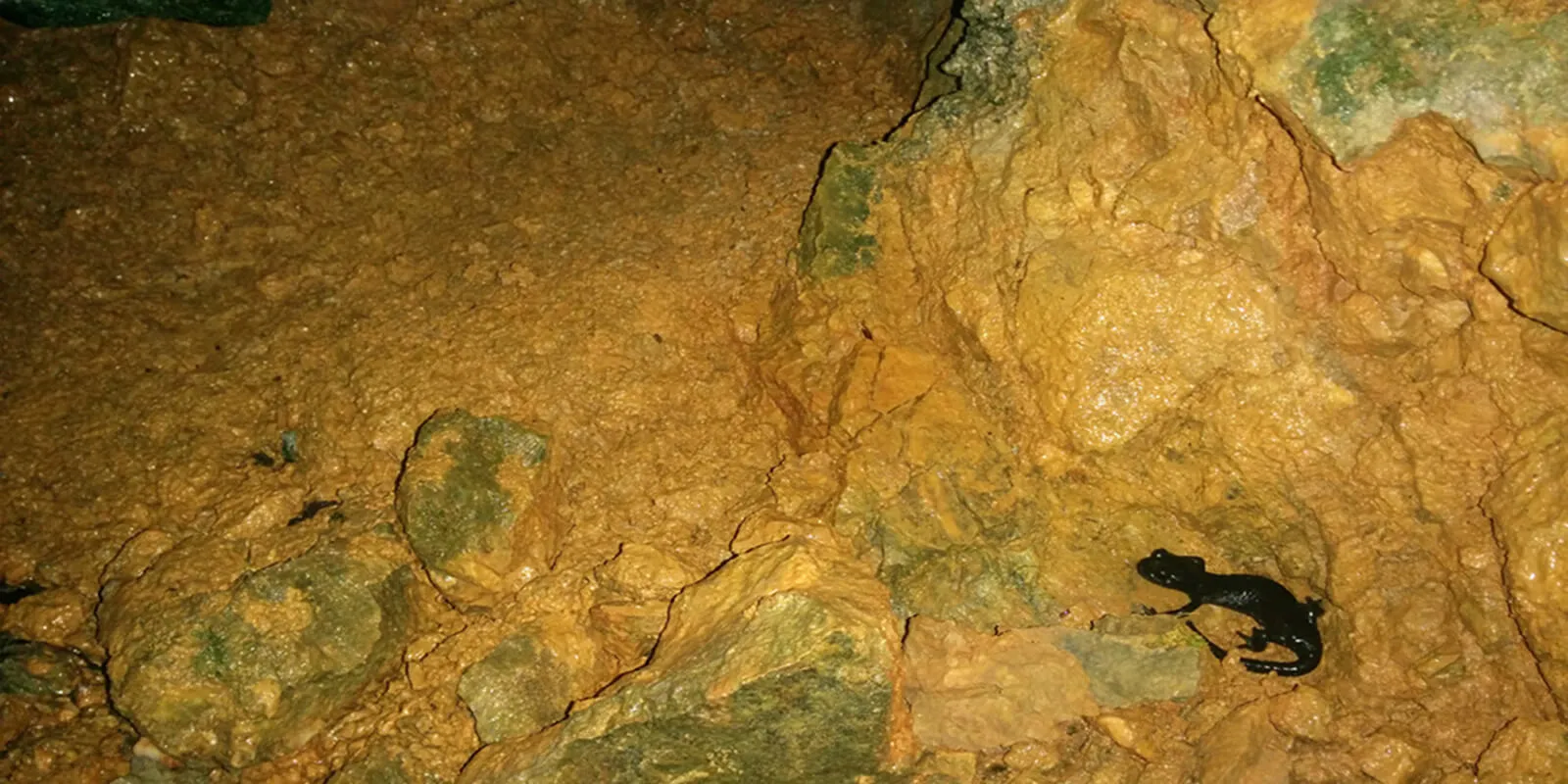
Dovžan gorge
The gorge was formed by the torrential Tržič Bistrica River, which cut through the ancient layers of conglomerates, limestone, sandstone and claystone.
In our country, there is the largest barrier waterfall in the flint conglomerate. This rock builds also Borova peč (Pine's bluff), which is covered with a red pine forest.
Flint is the hardest and the oldest rock in the gorge. Like all the rocks in Dovžan Gorge, the flint is also a deposit or a sedimentary rock. Nearly 300 million years ago, the Karawanks were beneath the shallow sea, rivers from the land brought gravel, sand and clay from which conglomerates later formed. The flint pebbles are very well rounded, indicating their long journey. They touch each other closely, their intermediate binder being crushed flint sand.
In addition to the flint and its conglomerate, there are also (younger) layers of limestone with fossils, sandstone and the breccia, which is a conglomerate of unpolished pieces of limestone, clay and a very fine sand.
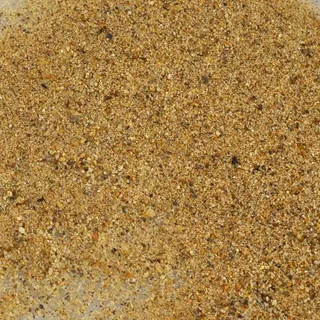
Sample 25 is clay from Dovžan Gorge (Upper Carniola). The recommended firing temperature is 900–1200 °C. The beginning of sintering is at 1200–1250 °C. At 1200 °C shrinkage is 9 % and porosity 7 %.
Clay samples
 800 °C
 900 °C
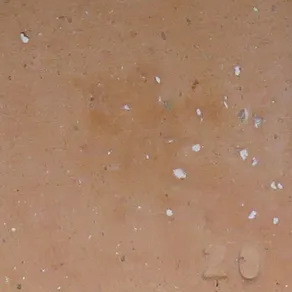 1000 °C
 1100 °C
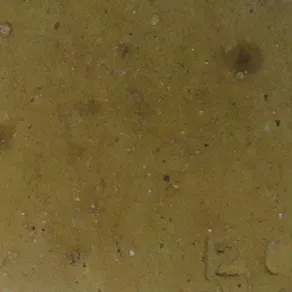 1200 °C
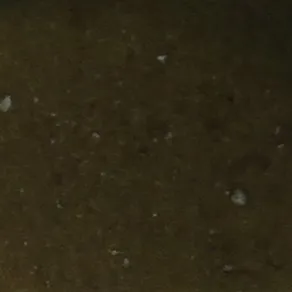 1300 °C
- segrevanje
heating up - priporočena temp. žganja
recommended firing temperatures - začetek sintranja
the beginning of sintering - mehčanje
softening
Clay preparation for testing
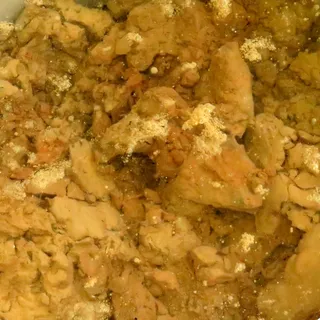 unprocessed clay
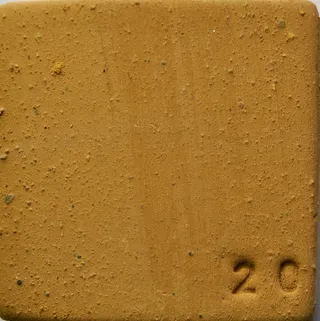 sifted and dried clay
- grain size in mm
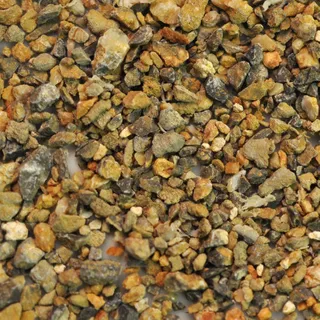 2.2 % = 1.0 mm
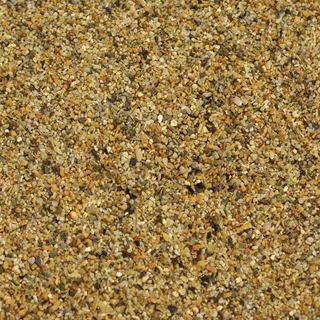 0.6 % = 0.2 mm
 0.3 % = 0.05 mm