Photo archive »Stare slike«
Vič
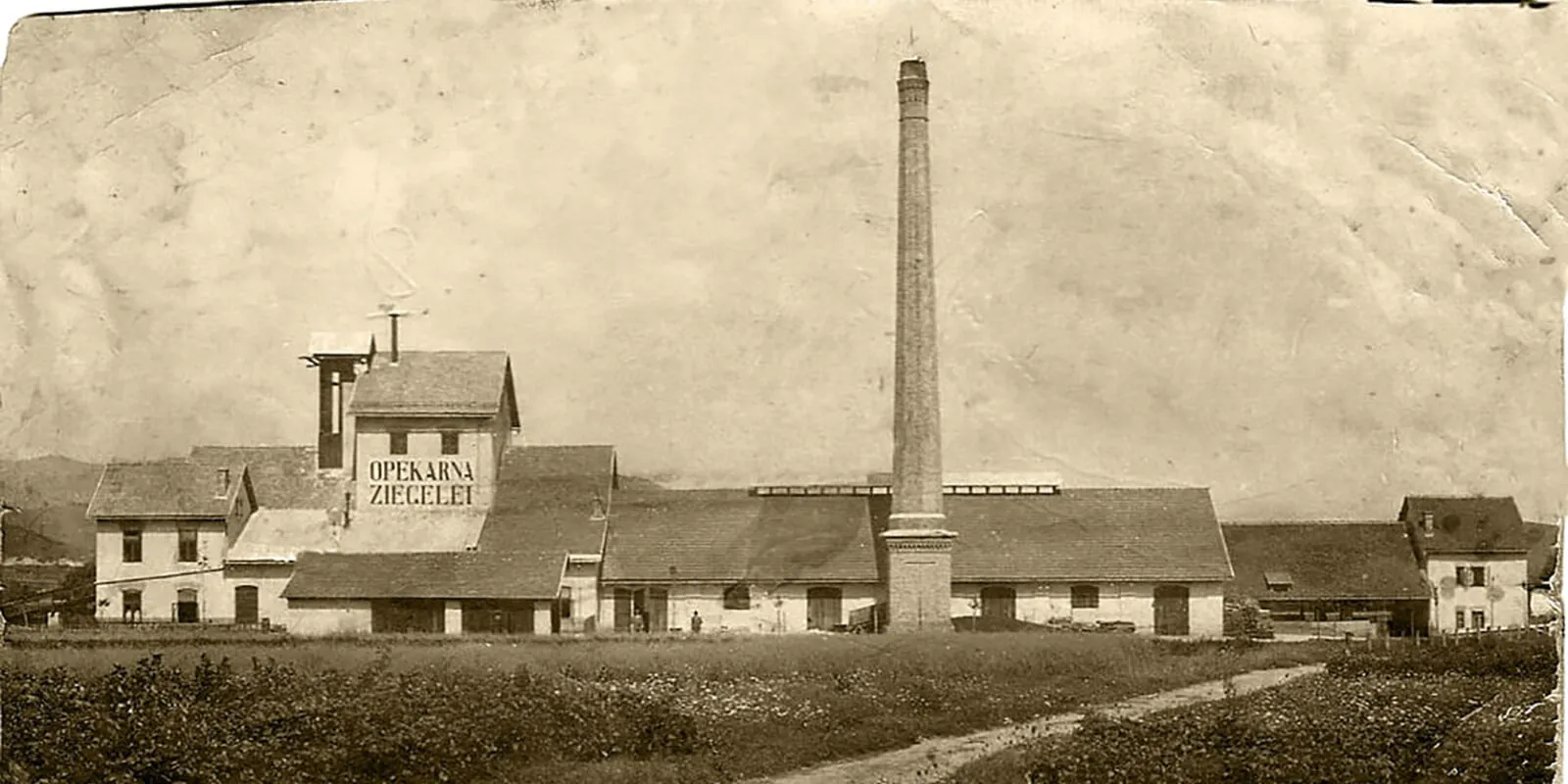
In 1908, a wealthy merchant with iron (his house was where Figovec is located today in Ljubljana) built a brickworks in Brdo. It was called Knezova opekarna (Knez brickworks). In 1909, Vidiceva opekarna (Vidic brickworks) was built. The owner was Anton Vidic, a building material merchant. He was from Carinthia. He had a shop in Carinthia, and when the shop burnt down, he moved to Ljubljana. At that time, his brickworks was one of the largest factories on our territory. In 1922, the brickworks was connected to the railway with the main railway line Ljubljana-Postojna.
Between the two brickworks, a third one was built. It was named Emona, later Opeka. It was built by the farmer Sitar from Vič. After eight years of operation, the Vidic and Emona-Opeka brickworks merged and it was renamed Združene opekarne d.d., which was operated by eleven shareholders. Emona's co-owner was also Ljubljanska posojilnica (Ljubljana loan bank) on the Miklošičeva street.
After the Second World War, the brickworks nationalization was carried out. In Ljubljana, the main construction material directorate of the SRS was established for entire Slovenia. In 1947, Ljubljanske opekarne (Ljubljana brickworks) was established, which brought together brickworks: Log, Vič, Brdo, Gameljne, Emona-Opeka, Draga, Bobovk pri Kranju, Radomlje, Vrhniške opekarne (Vrhnika brickworks) and Obrov.
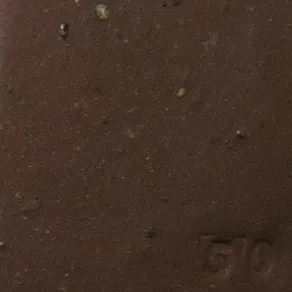
Sample 50 is clay from Vič (Central Slovenia Region). The recommended firing temperature is 900–1100 °C. The beginning of sintering is at 1100–1200 °C. At 1100 °C shrinkage is 6 % and porosity 6 %.
Clay samples
 800 °C
 900 °C
 1000 °C
 1100 °C
 1200 °C
- segrevanje
heating up - priporočena temp. žganja
recommended firing temperatures - začetek sintranja
the beginning of sintering - mehčanje
softening
Clay preparation for testing
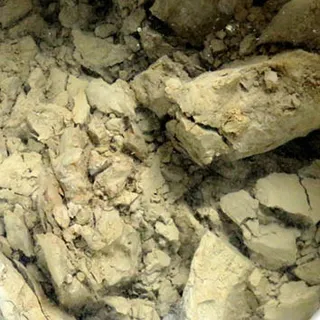 unprocessed clay
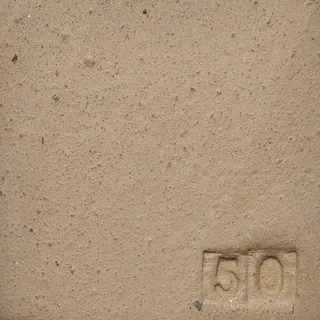 sifted and dried clay
- grain size in mm
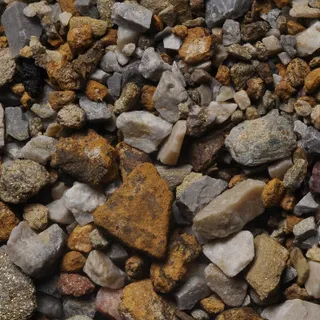 1.1 % = 1.0 mm
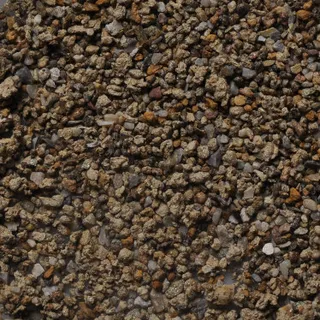 0.5 % = 0.2 mm
 0.3 % = 0.05 mm